Showing posts with label biomarker. Show all posts

Thursday, June 23, 2022

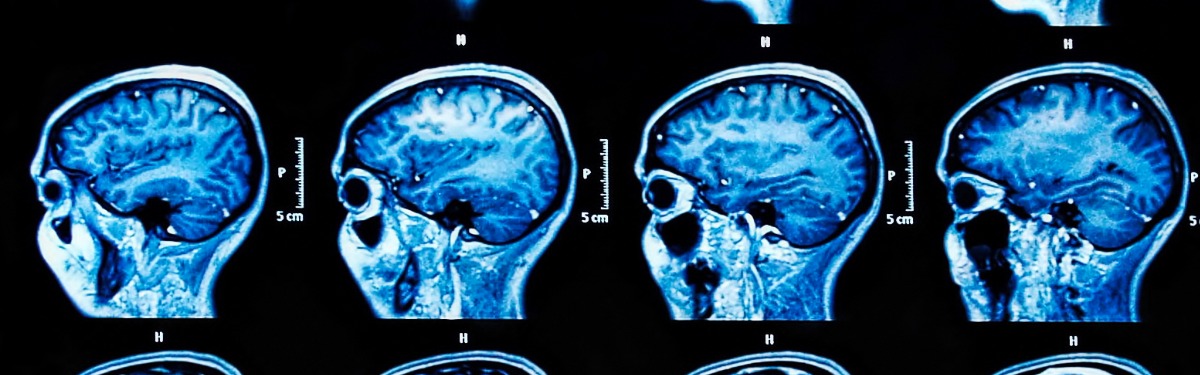
Algorithm could diagnose Alzheimer’s disease from a single brain scan

 reposted from


Algorithm could diagnose Alzheimer’s disease from a single brain scan

Published: 20 June 2022

A single MRI scan of the brain could be enough to diagnose Alzheimer’s disease, according to new research supported by NIHR.

Researchers developed an algorithm to analyse structural features shown on brain MRI scans, including in regions not previously associated with Alzheimer’s. This machine learning technology was able to accurately predict the existence of Alzheimer’s disease and identify the disease at an early stage, when it can be very difficult to diagnose.

Alzheimer’s disease is the most common form of dementia, affecting over half a million people in the UK. Although most people with Alzheimer’s disease develop it after the age of 65, people under this age can develop it too. The most frequent symptoms of dementia are memory loss and difficulties with thinking, problem solving and language.

Currently lots of tests are used to diagnose Alzheimer’s disease, including memory and cognitive tests and brain scans. The scans are used to check for protein deposits in the brain and shrinkage of the hippocampus, the area of the brain linked to memory. All of these tests can take several weeks, both to arrange and to process.

Getting a diagnosis quickly at an early stage helps patients access help and support, get treatment to manage their symptoms, and plan for the future. Being able to accurately identify patients at an early stage of the disease will also help researchers to understand the brain changes that trigger Alzheimer’s disease, and support development and trials of new treatments.

The researchers, supported by Imperial Biomedical Research Centre, studied just one of the tests currently used to diagnose Alzheimer’s disease - an MRI scan. They adapted an algorithm developed for use in classifying cancer tumours and applied it to MRI scans of the brain.

The researchers divided the brain into 115 regions and allocated 660 different features, such as size, shape and texture. They then trained the algorithm to identify where changes to these features could accurately predict the existence of Alzheimer’s disease.

Using data from the Alzheimer’s Disease Neuroimaging Initiative, the team tested their approach on brain scans from over 400 patients with early and later stage Alzheimer’s, healthy controls and patients with other neurological conditions, including frontotemporal dementia and Parkinson’s disease. They also tested it with data from more than 80 patients undergoing diagnostic tests for Alzheimer’s at Imperial College Healthcare NHS Trust.

The research, published in the Nature Portfolio Journal Communications Medicine, found that in 98% of cases, the MRI-based machine learning system alone could accurately predict whether the patient had Alzheimer’s disease or not. It was also able to distinguish between early and late-stage Alzheimer’s with fairly high accuracy, in 79% of patients.

The new system spotted changes in areas of the brain not previously associated with Alzheimer’s disease, including the cerebellum (the part of the brain that coordinates and regulates physical activity) and the ventral diencephalon (linked to the senses, sight and hearing). This opens up potential new avenues for research into these areas and their links to Alzheimer’s disease.

Professor Eric Aboagye, from Imperial’s Department of Surgery and Cancer, who led the research, said: “Currently no other simple and widely available methods can predict Alzheimer’s disease with this level of accuracy, so our research is an important step forward. Many patients who present with Alzheimer’s at memory clinics do also have other neurological conditions, but even within this group our system could pick out those patients who had Alzheimer’s from those who did not.

“Waiting for a diagnosis can be a horrible experience for patients and their families. If we could cut down the amount of time they have to wait, make diagnosis a simpler process, and reduce some of the uncertainty, that would help a great deal. Our new approach could also identify early-stage patients for clinical trials of new drug treatments or lifestyle changes, which is currently very hard to do.”

Dr Paresh Malhotra, who is a consultant neurologist at Imperial College Healthcare NHS Trust and a researcher in Imperial’s Department of Brain Sciences, said: “Although neuroradiologists already interpret MRI scans to help diagnose Alzheimer’s, there are likely to be features of the scans that aren’t visible, even to specialists. Using an algorithm able to select texture and subtle structural features in the brain that are affected by Alzheimer’s could really enhance the information we can gain from standard imaging techniques.”

Read more about this research on the NIHR imperial BRC website

Tuesday, March 26, 2019

Biomarkers of Alzheimer’s Disease

reposted from
https://sapienlabs.co/biomarkers-of-alzheimers-disease/


Biomarkers of Alzheimer’s Disease

Alzheimer’s disease has very specific etiology that can typically only be confirmed postmortem. Are there ways to identify it in the dynamical features of brain activity?
Alzheimer’s disease (AD), a neurodegenerative disorder characterized by a decline in cognitive functioning, in particular memory loss, is the most common cause of dementia with an estimated 30 million people affected worldwide [1,2].  At a neurobiological level it is characterized by aggregations of beta-amyloid (Aβ) protein into plaques, the accumulation of tau protein neurofibrillary tangles and progressive neurodegeneration. One recent question of interest is how these structural changes translate into changes in brain activity. Can it be reliably measured in the EEG to provide biomarkers of disease onset and progression, allowing clinicians to make an early diagnosis and intervention?

Biomarkers for early intervention.

For most of its history, AD has been diagnosed solely through clinical observation and cognitive testing, with a confirmatory diagnosis only performed on postmortem examination. However, the neurobiological changes associated with AD, and a potential precursor, Mild Cognitive Impairment (MCI), often appear many years (or even decades) before any visible clinical signs in the patient.
The advent of neuroimaging and the development of new biomarkers offer clinicians the opportunity to do this [3,4]. However, the challenges of developing either structurally or functionally relevant AD biomarkers which provide accurate and reliable indicators of disease onset, progression and outcome, or which assist in drug development, are considerable.
Examples of currently accepted biomarkers involve measuring levels of brain chemicals related to amyloid or tau (e.g. in the cerebrospinal fluid, CSF), or through estimates of metabolic activity (e.g. with Positron Emission Tomography, PET). For example, CSF levels of amyloid-beta (Aβ42) and phosphorylated tau (p-Tau) are thought to reflect AD pathology. In addition, the formation of plaques and tangles disrupt the balance of excitatory and inhibitory activity in the brain, and also result in synaptic dysfunction, at least in mouse models [5], both of which affect brain dynamics.  This provides an opportunity for studying the progression of AD with techniques such as resting-state EEG.

LORETA and Alzheimer’s Disease.

Multiple studies have attempted to examine changes in resting-state EEG dynamics, and to relate these to other markers of AD [6]. For example, in one recent small-scale study, resting-state EEG was used to explore whether there was a relationship between cortical hypometabolism – something commonly observed in AD – and cortical EEG rhythms [7]. To do this they measured cortical hypometabolism using fluorodeoxyglucose-PET and recorded resting EEG in 19 AD patients and compared this against 40 healthy controls and analyzed the results using LORETA. The EEG results showed higher levels of source localized delta band activity that correlated (r=0.579, p=0.009, N=19) with measures of cortical hypometabolism (other bands were not statistically different). This suggests that, in AD patients, delta activity at rest may be related to the PET biomarker of cortical hypometabolism. However, since the healthy patients did not agree to a PET scan, it limits the validity of this conclusion.  Also, such conclusion is confounded by similar results relating to a host of other mental health disorders and may simply be representative of a disorder in general, but not AD specifically.
Grand average across subjects of the normalized LORETA solutions. From [6]

CSF markers and Alzheimer’s disease

Another larger-scale study explored the relationship between EEG measures and CSF biomarkers [8]. In this study they compared patients with subjective cognitive decline (n=210) (i.e. they reported subjective complaints but had no significant cognitive deficit or clinical symptoms) against those with MCI (n=230) or AD (n=197). They analyzed resting-state EEG data using two different metrics – global field power (GFP) and global field synchronization (GFS). GFP is a reference-free method that reduces multichannel recordings to a single measure corresponding to the generalized EEG amplitude, resulting in a global measure of scalp potential field strength whilst GFS is a measure of global functional connectivity which resembles the global amount of instantaneous phase locked synchronization of oscillating neuronal networks across the scalp. Linear regression models showed that decreased levels of Aβ42 in the CSF significantly correlated with increased theta (β coefficient=0.514, p<0.001) and delta (β coefficient=0.304, p=0.001) GFP. In addition, decreased levels of Aβ42 in the CSF were significantly associated with decreased GFS alpha (β coefficient=0.024, p<0.001). and beta (β coefficient=0.013, p<0.001). These latter correlations were present in individuals with subjective cognitive decline, suggesting that GFS may be a potential pre-clinical marker of early AD.

Integrative Biomarkers

These two studies provide a snapshot into the direction of research and progress that is being made in the development of potential resting-state EEG biomarkers which track the progression of AD (other research focuses on task related ERP biomarkers which isn’t discussed here). However, it is unlikely that a single biomarker will be sufficient in adequately predicting the onset, progression and outcome of AD. One longitudinal study which has tried to address this monitored 86 patients initially diagnosed with MCI over a period of 2 years [9]. During this time 25 of the patients developed AD allowing them to search for a marker indicating the likelihood of a patient converting from MCI to AD. They measured multiple different biomarkers and found that several EEG biomarkers based around the alpha and beta range were associated with the conversion from MCI to AD. Rather than focusing on just one of these, they found that by integrating 6 of them together they were able to develop a diagnostic tool that predicted AD progression with a sensitivity of 88% and specificity of 82%. This was compared to a sensitivity of 64% and specificity of 62% when only a single biomarker was used.
The 6 Biomarkers of Interest. From [9]

The Verdict

EEG offers an opportunity to support the early identification of Alzheimer’s disease and so far there are promising directions. However as with many EEG biomarkers, this search is also hindered by inconsistencies in the methodological approach across studies [6].  More significantly, there is a substantial challenge of identifying markers that are specific to AD and not general to all cognitive and mental health function, one that may be  overcome by studying the EEG in multiple forms of Dementia together in combination with multiple other types of markers.

References:
[1] McKhann, G., Knopman, D., Chertkow, H., Hyman, B., Jack, C., & Kawas, C. et al. (2011). The diagnosis of dementia due to Alzheimer’s disease: Recommendations from the National Institute on Aging-Alzheimer’s Association workgroups on diagnostic guidelines for Alzheimer’s disease. Alzheimer’s & Dementia7(3), 263-269. doi: 10.1016/j.jalz.2011.03.005
[2] Holtzman, D., Morris, J., & Goate, A. (2011). Alzheimer’s Disease: The Challenge of the Second Century. Science Translational Medicine3(77), 77sr1-77sr1. doi: 10.1126/scitranslmed.3002369
[3] Maestú, F., Cuesta, P., Hasan, O., Fernandéz, A., Funke, M., & Schulz, P. (2019). The Importance of the Validation of M/EEG With Current Biomarkers in Alzheimer’s Disease. Frontiers In Human Neuroscience13. doi: 10.3389/fnhum.2019.00017
[4] Wurtman, R. (2015). Biomarkers in the diagnosis and management of Alzheimer’s disease. Metabolism64(3), S47-S50. doi: 10.1016/j.metabol.2014.10.034
[5] Selkoe, D. (2002). Alzheimer’s Disease Is a Synaptic Failure. Science298(5594), 789-791. doi: 10.1126/science.1074069
[6] Cassani, R., Estarellas, M., San-Martin, R., Fraga, F., & Falk, T. (2018). Systematic Review on Resting-State EEG for Alzheimer’s Disease Diagnosis and Progression Assessment. Disease Markers2018, 1-26. doi: 10.1155/2018/5174815
[7] Babiloni, C., Del Percio, C., Caroli, A., Salvatore, E., Nicolai, E., & Marzano, N. et al. (2016). Cortical sources of resting state EEG rhythms are related to brain hypometabolism in subjects with Alzheimer’s disease: an EEG-PET study. Neurobiology Of Aging48, 122-134. doi: 10.1016/j.neurobiolaging.2016.08.021
[8] Smailovic, U., Koenig, T., Kåreholt, I., Andersson, T., Kramberger, M., Winblad, B., & Jelic, V. (2018). Quantitative EEG power and synchronization correlate with Alzheimer’s disease CSF biomarkers. Neurobiology Of Aging63, 88-95. doi: 10.1016/j.neurobiolaging.2017.11.005
[9] Poil, S., de Haan, W., van der Flier, W., Mansvelder, H., Scheltens, P., & Linkenkaer-Hansen, K. (2013). Integrative EEG biomarkers predict progression to Alzheimer’s disease at the MCI stage. Frontiers In Aging Neuroscience5. doi: 10.3389/fnagi.2013.00058

Tuesday, August 2, 2016

What's Hot in PD? Hot on the Trail for a Urine Biomarker for Parkinson’s Disease

reposted from NP


What's Hot in PD? Hot on the Trail for a Urine Biomarker for Parkinson’s Disease

What's Hot in PD? - August 2016

Previous What’s Hot blogs have addressed the promise and challenge of developing biomarkers for Parkinson’s disease (PD). Several groups of researchers have been working on blood and imaging biomarkers to provide more information on Parkinson’s: diagnosis, prediction, monitoring and methods to measure progression. In this month’s What’s Hot blog, we examine a new approach that utilizes a urine sample to detect the presence of Parkinson’s disease activity.
Dr. Andrew West at the University of Alabama at Birmingham has been pioneering a new biomarker development approach aimed at detecting Parkinson’s. Dr. West focused first on studying the most common known genetic cause of Parkinson’s disease, the LRRK2 mutation. In patients with PD, it has been shown that the LRRK2 protein has more than expected phosphate groups clinging to its external structure, called phosphorylation. Dr. West’s approach is unique in that instead of trying to measure activity inside the body’s cells, he and his colleagues focused on measuring the exosome, which is located outside the cells. The exome contains proteins, RNA, and DNA that are all packaged into a container that is ejected from inside the cell.
It turns out that Dr. West was able to measure the LRRK2 mutation and to pick up the presence of extra phosphate groups (phosphorylation) that cling to LRRK2. He proposed that measuring these phosphate groups on LRRK2 could be a urine biomarker for Parkinson’s disease.
Once Dr. West and his collaborators confirmed their observations by using urine from patients with LRRK2, they then tested urine from people with PD without the LRRK2 mutation. The researchers found that one in five people with Parkinson’s who do not have the LRRK2 mutation also had elevated phosphorylated LRRK2, but that non-disease controls did not show this effect. Dr. West and colleagues pondered whether this marker could be used to monitor the effects of PD medications and treatments in patients with baseline abnormalities on their urine screening test.
Though the urine biomarker for Parkinson’s will not apply to the majority of people with PD, it is an important first step. As we improve symptomatic and better targeted Parkinson’s therapies we will need better physiological markers of disease progression. Additionally, since the exosome is thought to play a major role in the immune system, these findings lend credibility to the potential role in inflammation in the development of Parkinson’s disease.
Selected References:
Kyle B. Fraser, Mark S. Moehle, Roy N. Alcalay, Andrew B. West. Urinary LRRK2 phosphorylation predicts parkinsonian phenotypes in G2019SLRRK2carriers.Neurology, 2016; 86 (11): 994.
Kyle B. Fraser, Ashlee B. Rawlins, Rachel G. Clark, Roy N. Alcalay, David G. Standaert, Nianjun Liu, Andrew B. West. Ser(P)-1292 LRRK2 in urinary exosomes is elevated in idiopathic Parkinson's disease. Movement Disorders, 2016.
You can find out more about NPF's National Medical Director, Dr. Michael S. Okun, by also visiting the NPF Center of Excellence, University of Florida Health Center for Movement Disorders and Neurorestoration. Dr. Okun is also the author of the Amazon #1 Parkinson's Best Seller 10 Secrets to a Happier Life and 10 Breakthrough Therapies for Parkinson's Disease. You can read more from Dr. Okun in the What's Hot in PD? archives.
Tags: 

Friday, October 23, 2015

The woman who can smell Parkinson's disease : potential biomarker. She has a great career. Means that odor is important and could be a predictor

reposted from BBC  Thanks Tony Nield, Remy and Gaby whom all told me of this in the same day.  Will be really cool if a biomarker test could be developed soon.  The old saying pops into my head "an ounce of prevention is worth a pound of cure"  - still no where close to a cure but early warnings will help the individual adjust their lives


The woman who can smell Parkinson's disease

  • 22 October 2015
  •  
  • From the sectionScotland
Media captionJoy Milne was tested by researchers to see if she could detect people with Parkinson's through a tell-tale odour
Meet the woman from Perth whose super sense of smell could change the way Parkinson's disease is diagnosed.
Joy Milne's husband, Les, died in June, aged 65.
He worked as a consultant anaesthetist before being diagnosed with Parkinson's at the age of 45.
Joy Milne's husband
Image captionJoy first detected the odour on her husband Les, who was diagnosed with Parkinson's at the age of 45
One in 500 people in the UK has Parkinson's - that is 127,000 across Britain.
It can leave people struggling to walk, speak and sleep. There is no cure and no definitive diagnostic test.
Joy noticed something had changed with her husband long before he was diagnosed - six years before.
She says: "His smell changed and it seemed difficult to describe. It wasn't all of a sudden. It was very subtle - a musky smell.
"I got an occasional smell."
Joy only linked this odour to Parkinson's after joining the charity Parkinson's UK and meeting people with the same distinct odour.
By complete chance she mentioned this to scientists at a talk. They were intrigued.
Edinburgh University decided to test her - and she was very accurate.
Doctors
Image captionDoctors tested Joy's sense of smell by using t-shirts which had been worn by six people with Parkinson's and six without
Dr Tilo Kunath, a Parkinson's UK fellow at the school of biological sciences at Edinburgh University, was one of the first scientists Joy spoke to.
He says: "The first time we tested Joy we recruited six people with Parkinson's and six without.
"We had them wear a t-shirt for a day then retrieved the t-shirts, bagged them and coded them.
"Her job was to tell us who had Parkinson's and who didn't.
"Her accuracy was 11 out of 12. We were quite impressed."
Dr Kunath adds: "She got the six Parkinson's but then she was adamant one of the 'control' subjects had Parkinson's.
Dr Tilo Kunath
Image captionDr Tilo Kunath was impressed with Joy's results and is undertaking further research into the phenomenon
"But he was in our control group so he didn't have Parkinson's.
"According to him and according to us as well he didn't have Parkinson's.
"But eight months later he informed me that he had been diagnosed with Parkinson's.
"So Joy wasn't correct for 11 out of 12, she was actually 12 out of 12 correct at that time.
"That really impressed us and we had to dig further into this phenomenon."
And that is exactly what they are doing.
Scientists believe that changes in the skin of people with early Parkinson's produces a particular odour linked to the condition.
They hope to find the molecular signature responsible for the odour and then develop a simple test such as wiping a person's forehead with a swab.
The charity Parkinson's UK is now funding researchers at Manchester, Edinburgh and London to study about 200 people with and without Parkinson's.
Katherine Crawford, the Scotland director of Parkinson's UK
Image captionKatherine Crawford, of Parkinson's UK, said it was an incredibly difficult disease to diagnose
A simple test for Parkinson's could be life-changing, according to Katherine Crawford, the Scotland director of Parkinson's UK.
"This study is potentially transformational for the lives of people living with Parkinson's," she says.
"Parkinson's is an incredibly difficult disease to diagnose.
"We still effectively diagnose it today the way that Dr James Parkinson diagnosed it in 1817, which is by observing people and their symptoms.
"A diagnostic test like this could cut through so much of that, enable people to go in and see a consultant, have a simple swab test and come out with a clear diagnosis of Parkinson's.
"It would be absolutely incredible and life-changing for them immediately."
Ms Crawford adds: "They and their professional colleagues would be able to discuss and arrange a treatment programme, be able to monitor the progression of the disease and treat it appropriately as it went on and it would potentially offer more opportunities for people living with Parkinson's to get involved in research."
It might have been an accidental discovery but Joy hopes it will make a real difference to people starting out on their own journey with Parkinson's.

Thursday, April 10, 2014

Alpha-synuclein in peripheral tissues and body fluids as a biomarker for Parkinson's disease - a systematic review.

Alpha-synuclein in peripheral tissues and body fluids as a biomarker for Parkinson's disease - a systematic review.

Nice up to date review of the field...

Acta Neurol Scand. 2014 Apr 5. doi: 10.1111/ane.12247. [Epub ahead of print]
Malek N, Swallow D, Grosset KA, Anichtchik O, Spillantini M, Grosset DG.

Abstract

Parkinson's disease (PD) is neuropathologically characterized as an alpha-synucleinopathy. Alpha-synuclein-containing inclusions are stained as Lewy bodies and Lewy neurites in the brain, which are the pathological hallmark of PD. However, alpha-synuclein-containing inclusions in PD are not restricted to the central nervous system, but are also found in peripheral tissues. Alpha-synuclein levels can also be measured in body fluids. The aim of this study was to conduct a systematic review of available evidence to determine the utility of alpha-synuclein as a peripheral biomarker of PD. We searched PubMed (1948 to 26 May 2013), Embase (1974 to 26 May 2013), the Cochrane Library (up to 26 May 2013), LILACS (up to 26 May 2013) and CINAHL (up to 26 May 2013) for the studies of alpha-synuclein in peripheral tissues or body fluids in PD. A total of 49 studies fulfilled the search criteria. Peripheral tissues such as colonic mucosa showed a sensitivity of 42-90% and a specificity of 100%; submandibular salivary glands showed sensitivity and specificity of 100%; skin biopsy showed 19% sensitivity and 80% specificity in detecting alpha-synuclein pathology. CSF alpha-synuclein had 71-94% sensitivity and 25-53% specificity for distinguishing PD from controls. Plasma alpha-synuclein had 48-53% sensitivity and 69-85% specificity. Neither plasma nor CSF alpha-synuclein is presently a reliable marker of PD. This differs from alpha-synuclein in solid tissue samples of the enteric and autonomic nervous system, which offer some potential as a surrogate marker of brain synucleinopathy.